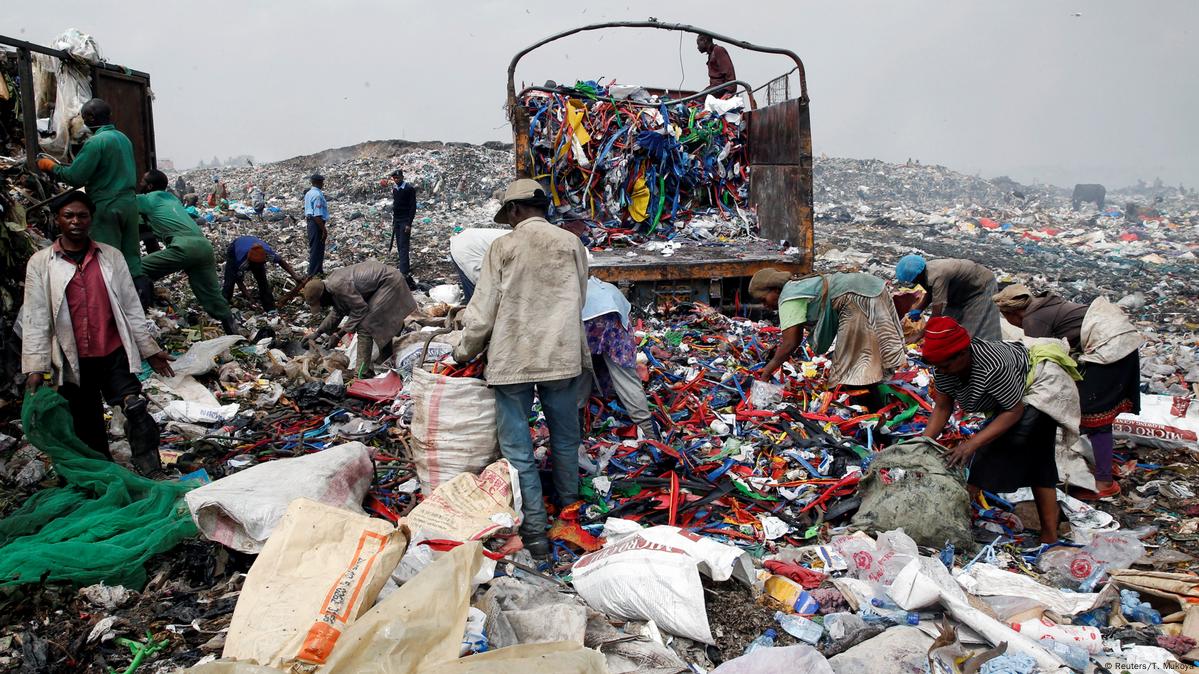
When Rwanda banned plastic bags in 2008, it was dismissed as overly ambitious. Today, more than 30 African countries have enacted similar bans, positioning the continent as a global leader in the fight against plastic pollution.
The next frontier? Plastic Ban 2.0 — moving beyond bags to bottles, packaging, and microplastics.
“Africa has shown boldness where others hesitated,” said Inger Andersen, executive director of UNEP. “The challenge now is enforcement and scaling circular alternatives.”
Investment in Alternatives
Kenya’s TakaTaka Solutions has raised $50 million to expand recycling plants that convert plastic waste into construction materials. In South Africa, startups are producing biodegradable packaging from sugarcane and seaweed.
According to the AfDB, the circular plastics economy in Africa could unlock $10 billion annually by 2030, while reducing health and environmental costs.
Citizen Buy-In
Public support is strong. In Kigali, markets proudly advertise “plastic-free zones,” while in Lagos, community-led plastic banks are exchanging recyclables for cash or food vouchers.
Still, industry pushback remains. Beverage companies warn of rising costs, while informal recyclers fear job losses.
Yet, advocates argue that inclusive policies can ensure circular plastics deliver both sustainability and livelihoods.