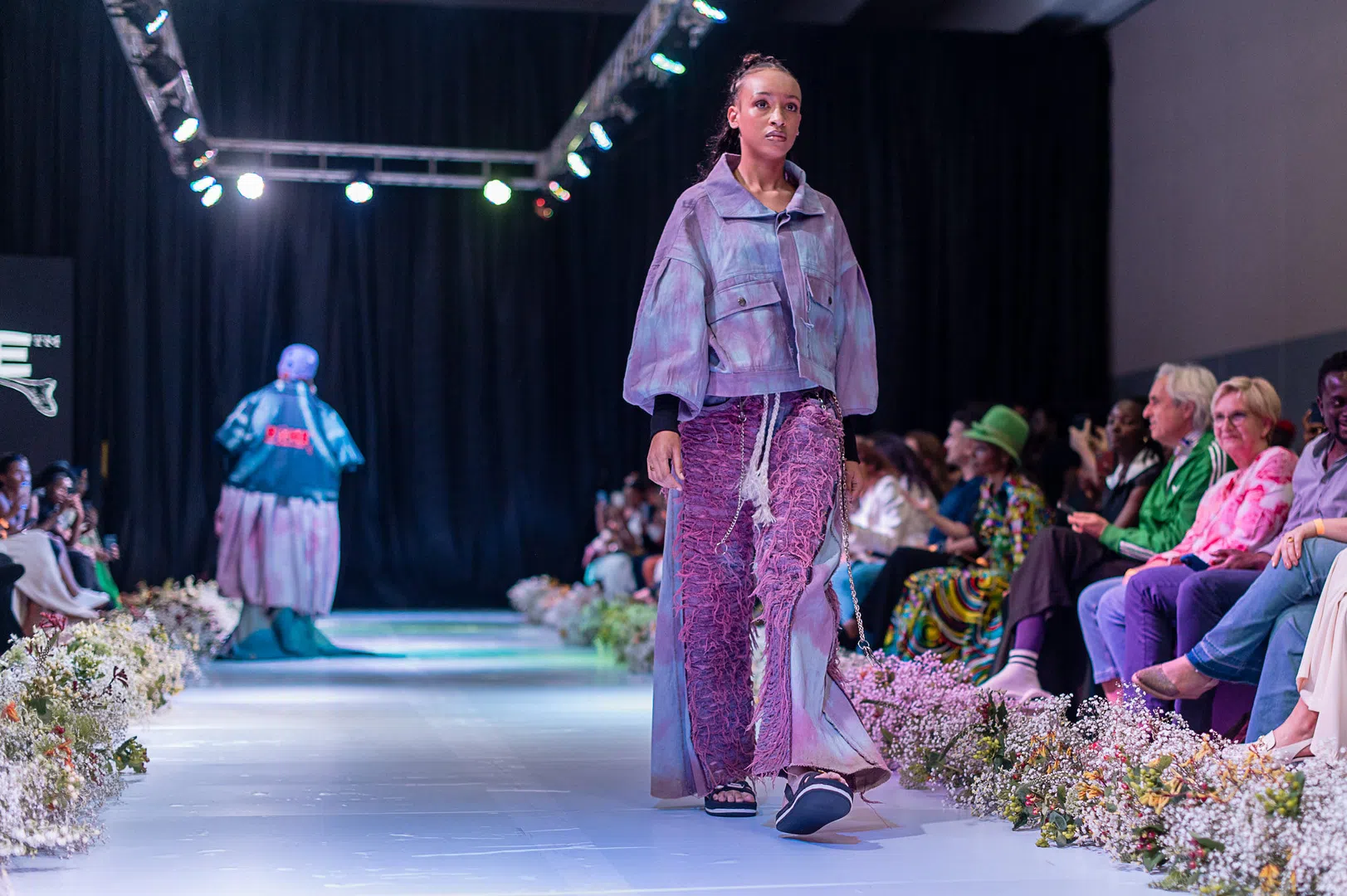
Africa’s fashion industry, valued at over $31 billion annually, is undergoing a quiet revolution. From Nairobi to Lagos, designers are embracing circular textiles — recycling fabrics, using plant-based fibers, and reimagining waste as raw material.
In Kenya, the Africa Collect Textiles initiative has recycled over 200 tons of used clothes into new garments and home furnishings since 2022. Nigerian brand Orange Culture now produces 40% of its designs from upcycled fabrics.
“Circularity is no longer a Western trend,” said Anyango Mpinga, a Nairobi-based sustainable fashion designer. “It is an African necessity — both economically and environmentally.”
Investor Interest
Global retailers are taking notice. H&M Foundation recently partnered with Ghanaian innovators to pilot textile recycling hubs. Meanwhile, African startups like Wecyclers are collaborating with manufacturers to supply recycled fibers for industrial use.
Diaspora Connections
The African diaspora is also playing a role. Fashion houses in London and New York are sourcing sustainable fabrics from African suppliers, blending style with impact.
According to the UN Environment Programme, the global circular fashion market could hit $40 billion by 2030, with Africa poised to capture a significant share if investments flow.
Barriers Ahead
Yet, challenges remain — from poor waste segregation to limited access to recycling technology. Experts argue that governments must incentivize green manufacturing through tax breaks and export promotion.