As world leaders gather in Brazil for COP30, African negotiators are making a bold demand: a Just Energy Transition Deal for the continent.
Building on South Africa’s $8.5 billion Just Energy Transition Partnership (JETP) launched at COP26, African countries want a continent-wide framework that mobilizes $100 billion annually to finance renewables, grid upgrades, and social safety nets for workers displaced from fossil industries.
“Without a just transition, Africa risks trading one dependency for another,” said Nigeria’s Environment Minister, Balarabe Lawal, at a COP30 panel. “We must industrialize with renewables, not be locked out of global trade by carbon tariffs.”
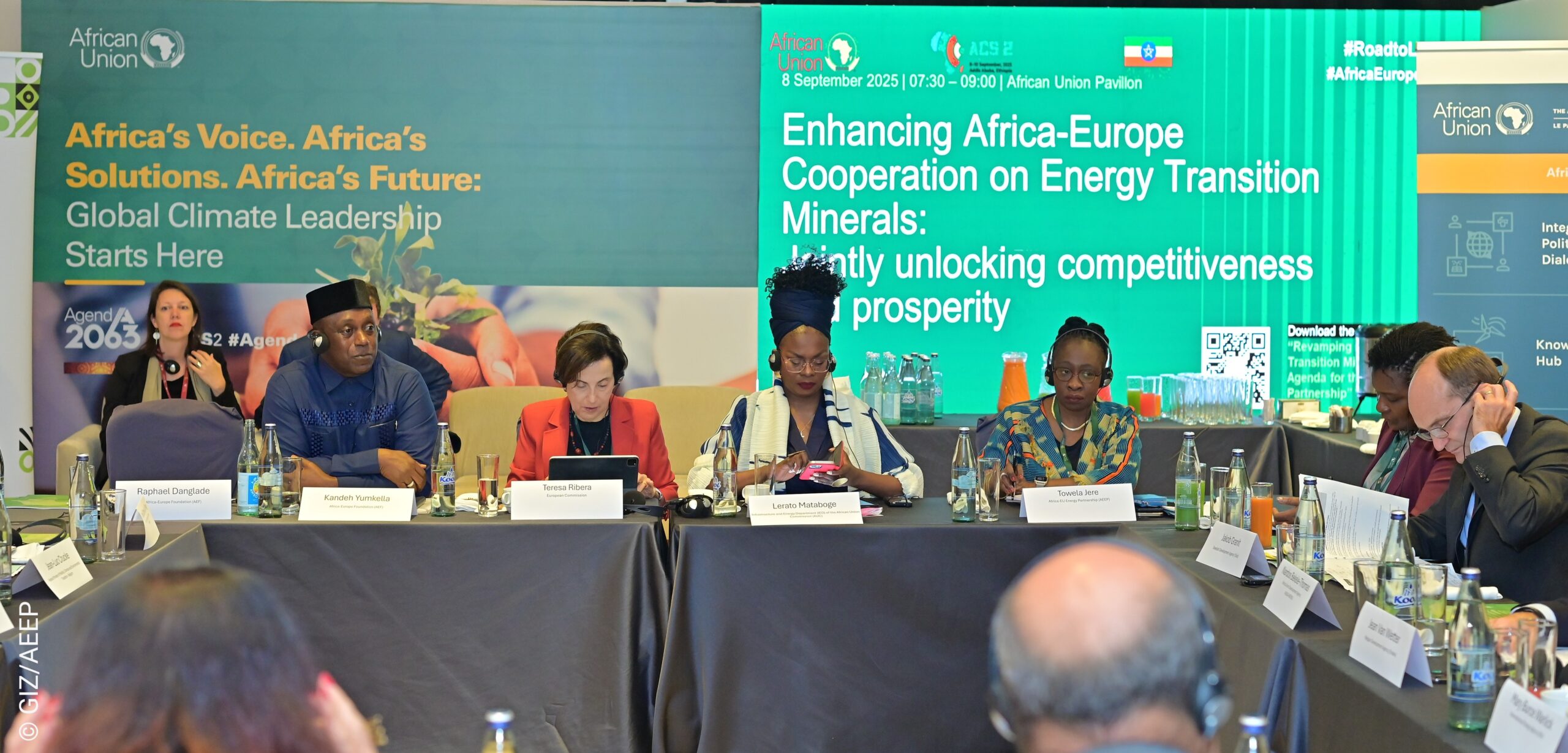
The African Union unveiled a joint proposal backed by AfDB and UNECA, urging developed countries and multilateral banks to scale concessional finance, de-risk private capital, and integrate climate adaptation into energy transition funding.
Deals are already in motion. Morocco signed a €2 billion solar-to-hydrogen MoU with the EU. Nigeria secured $1.2 billion from the World Bank to expand off-grid solar in rural states. Kenya launched a $500 million Diaspora Green Bond to finance wind and geothermal expansion.
Civil society voices, however, warn against debt-heavy models. “We cannot call it a just transition if Africa ends up drowning in green debt,” said Mithika Mwenda, Pan African Climate Justice Alliance.
With COP30 in the Amazon rainforest, symbolism is powerful: two regions—Africa and Latin America—framing climate not as aid, but as an investment in global survival.
For impact investors, the signal is unmistakable: Africa’s energy transition is no longer a policy debate—it’s an investable megatrend.