By Debola Odunsi, Editor-at-Large, Climate Change and Sustainability – BFA News
August 12, 2025 — Dakar
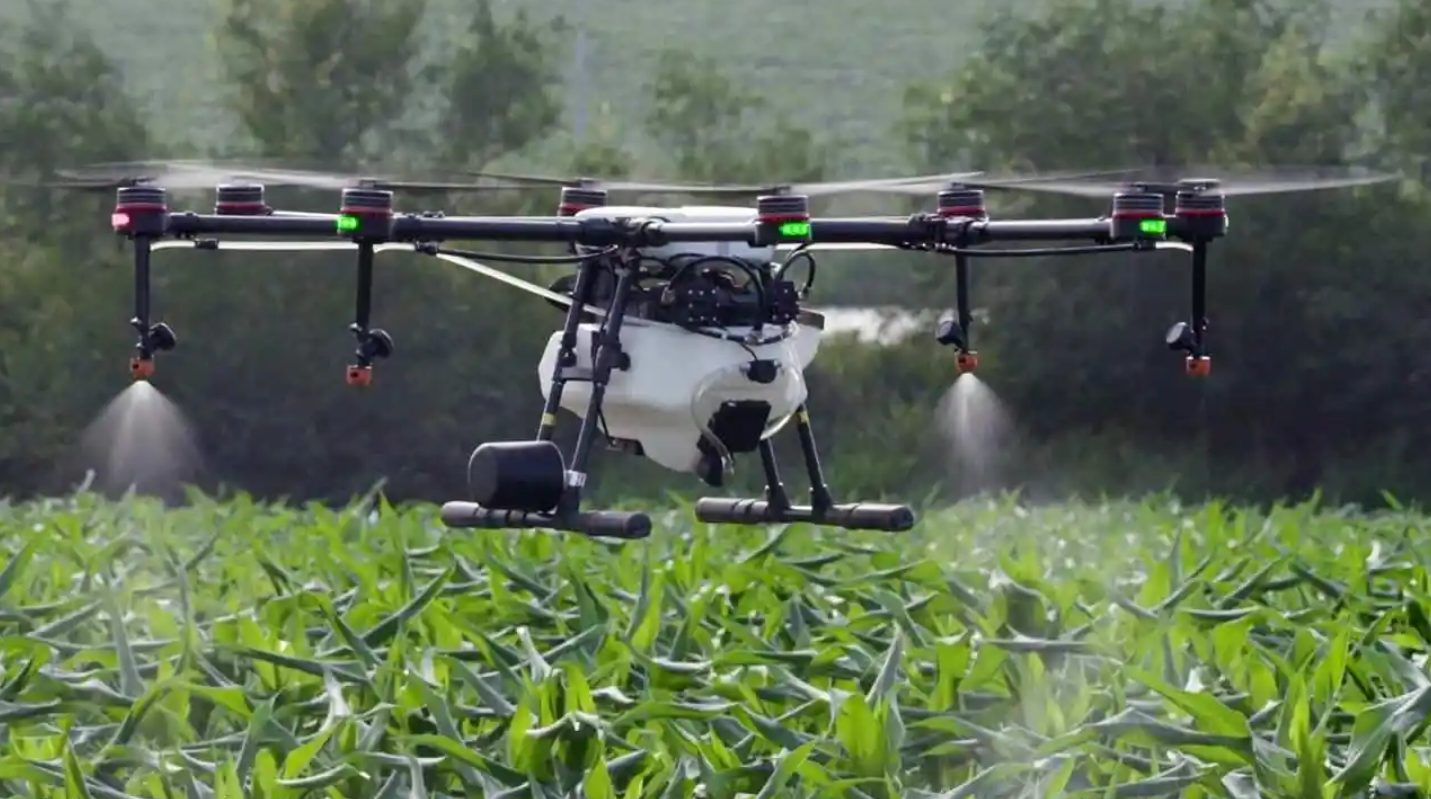
As climate change reshapes rainfall patterns across Africa, climate-smart agriculture (CSA) is emerging as one of the continent’s hottest investment frontiers. A recent AU report estimates that Africa needs $15 billion annually to adapt its food systems, yet CSA innovations are already attracting significant private and donor capital.
In Senegal, farmers are adopting drought-resistant millet varieties developed with support from the Alliance for a Green Revolution in Africa (AGRA). In Kenya, startups like Apollo Agriculture are using AI-driven tools to provide farmers with customized advice, insurance, and credit.
“Climate-smart agriculture is not a luxury — it is the only pathway to feed Africa sustainably,” said Kanayo Nwanze, former president of IFAD.
Capital Flows Into Food-Tech
Private equity funds such as Novastar Ventures and TLcom Capital are backing agritech firms providing last-mile solutions for smallholder farmers. In June, Gro Intelligence raised $100 million to expand its AI-driven agricultural data platform across Africa.
Meanwhile, the African Development Bank announced a $2 billion facility in July to support CSA infrastructure, from irrigation to cold storage.
Diaspora Opportunities
Diaspora investors are also entering the sector through agribusiness diaspora bonds and crowdfunding platforms that link Africans abroad with smallholder projects.
“Food security resonates deeply with the diaspora,” said Dr. Agnes Kalibata, president of AGRA. “It’s not just an investment — it’s personal.”
Resilience and Returns
With Africa’s food import bill projected to hit $110 billion by 2025, CSA offers both resilience and economic opportunity. The sector is expected to create millions of jobs in rural areas, while reducing dependence on imports.
“This is where climate and business meet,” Nwanze added. “Investing in CSA means investing in Africa’s stability.”