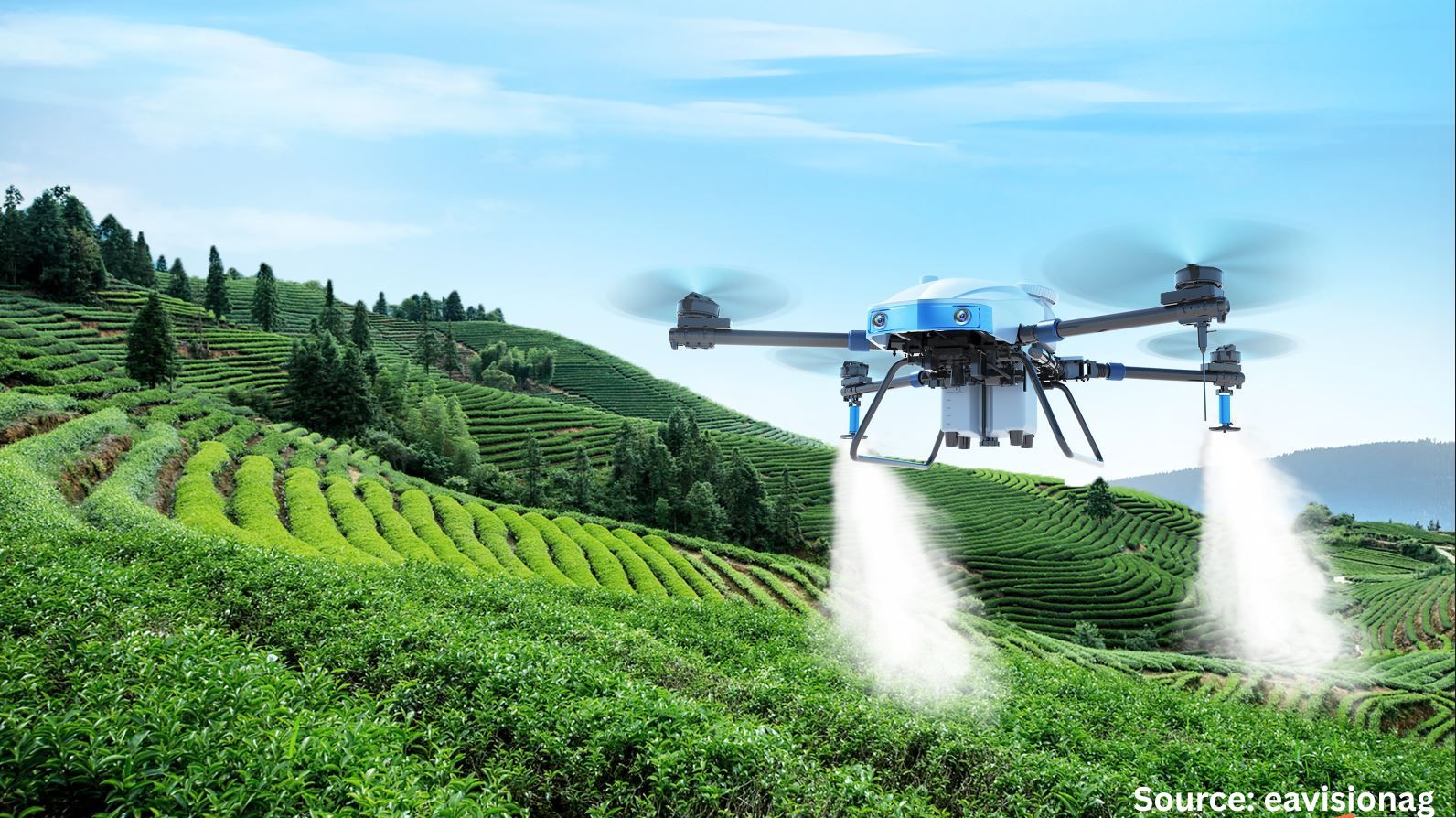
As droughts and erratic rainfall intensify across East Africa, Kenya is scaling up climate-smart agriculture (CSA) initiatives in a bid to both safeguard food security and attract global agribusiness investment.
The Kenyan government, working with the World Bank and the International Fund for Agricultural Development (IFAD), recently launched a $2.8 billion CSA Investment Plan. The plan aims to transform 3 million hectares of farmland into climate-resilient production zones by 2030, while boosting farmer incomes by 30%.
“Climate-smart agriculture is no longer a buzzword—it is an economic imperative,” said Mithika Linturi, Kenya’s Cabinet Secretary for Agriculture. “Investors understand that food insecurity is a systemic risk. We are turning that risk into opportunity by backing solutions that scale.”
Key initiatives include drought-tolerant maize and sorghum varieties developed in partnership with the International Maize and Wheat Improvement Center (CIMMYT), as well as large-scale irrigation projects in the arid counties of Turkana and Garissa.
The private sector is moving in step. Nestlé has committed $200 million to support regenerative agriculture pilots with Kenyan smallholders, while U.S.-based venture capital firm AgFunder is setting up a Nairobi office to channel $150 million into agri-tech startups.
Diaspora investors are also being targeted. Kenya’s Capital Markets Authority confirmed that it will issue a “Green Agriculture Bond” worth $500 million in the second half of 2025, aimed at African diaspora communities in the U.S., Europe, and the Gulf. The bond will finance CSA infrastructure such as cold storage, digital marketplaces, and precision irrigation systems.
According to a recent FAO report, Kenya loses an estimated $1.5 billion annually to post-harvest losses, much of which can be mitigated by climate-smart interventions. “Investors are waking up to the fact that Africa’s food challenge is also a trillion-dollar business opportunity,” said Dr. Agnes Kalibata, former UN Special Envoy for Food Systems.
Challenges remain around land tenure, farmer education, and access to affordable finance for smallholders. Civil society groups also warn that without safeguards, CSA projects could marginalize pastoralist communities.
Still, the urgency is clear. The Horn of Africa has suffered five consecutive failed rainy seasons, leaving more than 23 million people food insecure. Kenya’s pivot to CSA, backed by capital and policy, could position the country as a model for Africa’s agricultural transformation.
“If we get this right,” said Dr. Kalibata, “Kenya won’t just feed itself—it will feed the region and the world.”