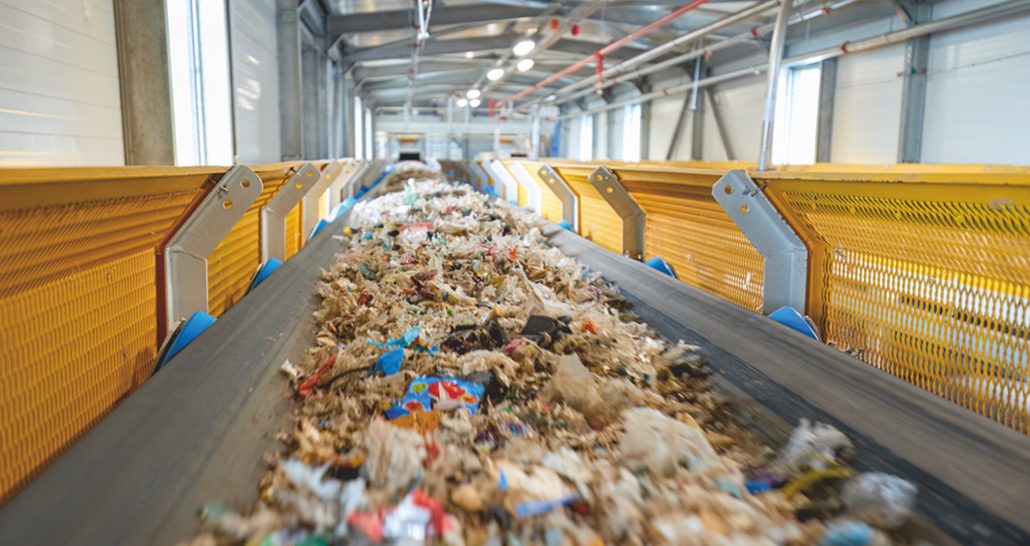
Mountains of waste, once a symbol of Africa’s urban crises, are now becoming an unexpected source of energy and investment. Across the continent, waste-to-energy (WtE) projects are attracting billions in capital, reshaping how African cities manage refuse while powering homes and industries.
In Lagos, the state government unveiled a $250 million public-private partnership with German energy firm Siemens to convert municipal waste into electricity. The project is expected to generate 60 megawatts, enough to power nearly 1.2 million homes.
“Africa’s waste problem is also its billion-dollar opportunity,” said Dr. Adeyemi Adeleke, an energy consultant. “If scaled, waste-to-energy could reduce landfill pressures, cut emissions, and deliver affordable power.”
Pan-African Momentum
Similar initiatives are sprouting in Kenya, Ghana, and South Africa. Nairobi’s Dandora dumpsite — once Africa’s most notorious landfill — is being rehabilitated into a WtE plant capable of processing 1,500 tons of waste daily. In Accra, the government has partnered with Japanese investors to pilot plasma gasification technology.
The African Development Bank (AfDB) projects that WtE could attract $20 billion in investment by 2030, creating 300,000 green jobs.
Challenges and Risks
Despite the optimism, experts caution that WtE must be coupled with aggressive recycling programs. “Incineration without segregation risks toxic emissions,” warned Nnimmo Bassey, an environmental activist.
Still, investors remain bullish. Multinationals see WtE as a gateway into Africa’s untapped clean energy market, while local entrepreneurs eye new revenue streams from waste collection.
The Bigger Picture
For Africa, WtE is more than a technical fix. It is a signal that cities can leapfrog into sustainable urban systems where waste is seen not as a liability, but as an asset.