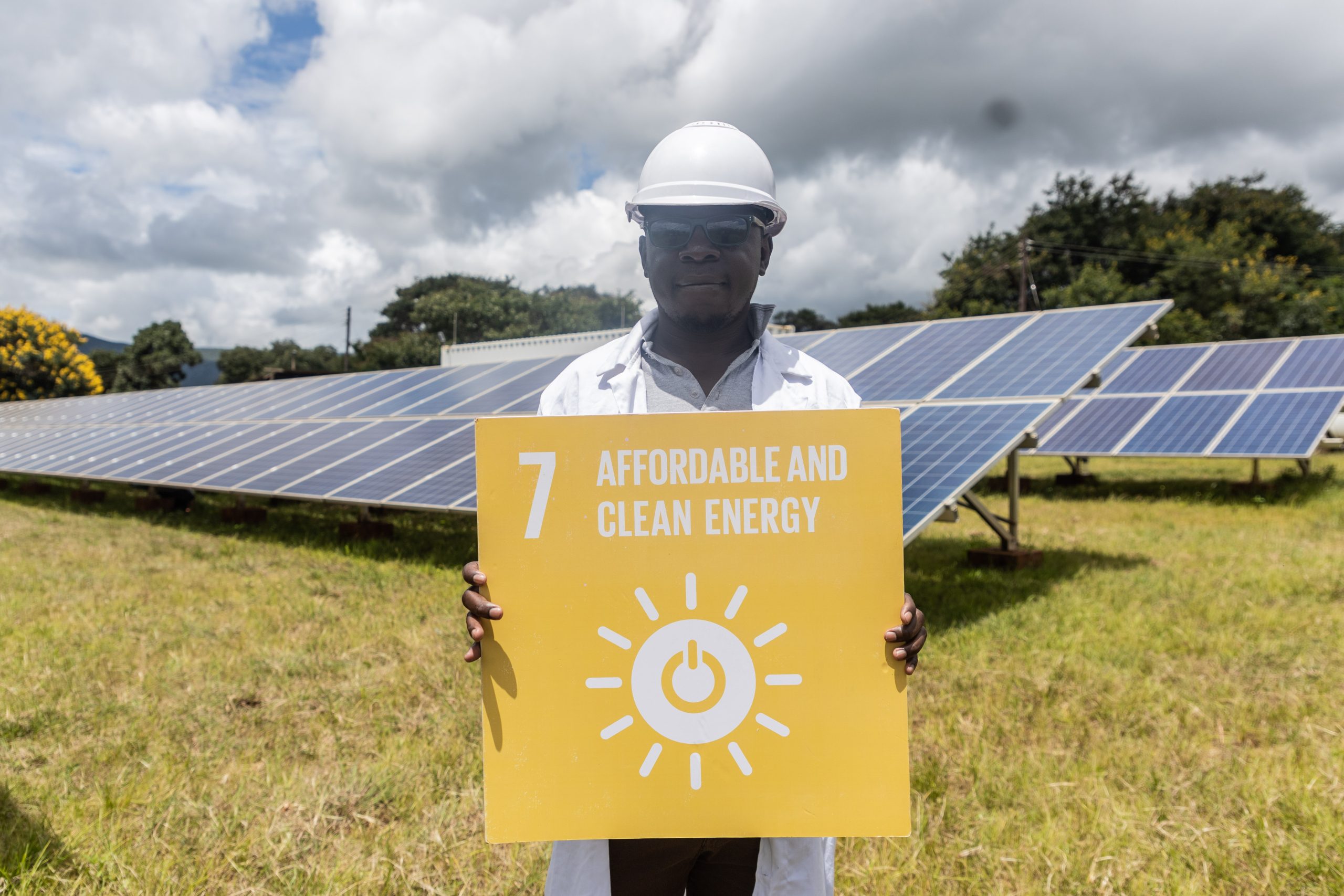
Africa is on the cusp of an unprecedented renewable energy boom. According to a new report by the International Renewable Energy Agency (IRENA), the continent attracted over $15 billion in clean energy investments in the first half of 2025 alone, marking a 35% increase from the previous year.
The momentum is strongest in solar, wind, and green hydrogen, with Egypt, South Africa, Morocco, and Kenya leading large-scale deployments. Nigeria, meanwhile, is seeing record growth in off-grid solar for rural electrification.
“The narrative has changed,” said Damilola Ogunbiyi, CEO of Sustainable Energy for All (SEforALL). “Investors now see African renewable energy not just as a climate solution but as a profitable market.”
Hydrogen Ambitions
South Africa’s Hydrogen Valley Project — supported by Germany’s KfW Development Bank — is drawing attention as a blueprint for green industrialization. Namibia is also advancing with its $10 billion Hyphen Hydrogen Project, expected to export green ammonia to Europe by 2030.
These mega-projects are positioning Africa as a potential global supplier of green fuels, while creating thousands of jobs domestically.
Mini-Grids and Impact Capital
At the other end of the spectrum, mini-grids are booming. Impact investors such as CrossBoundary Energy are financing rural electrification in Tanzania, Nigeria, and Sierra Leone. By June, mini-grid deployment had increased by 45% year-on-year, serving nearly 12 million people with clean power.
“The demand is there, the technology is ready, and now the capital is flowing,” said Jessica Stephens, CEO of the Africa Minigrid Developers Association.
Challenges Remain
Despite progress, bottlenecks persist — including currency volatility, regulatory uncertainty, and grid infrastructure limitations. Analysts warn that without robust policies and risk guarantees, projects could stall.
Still, optimism prevails. “If Africa continues on this trajectory, it could leapfrog into a renewable powerhouse by 2035,” Ogunbiyi concluded.