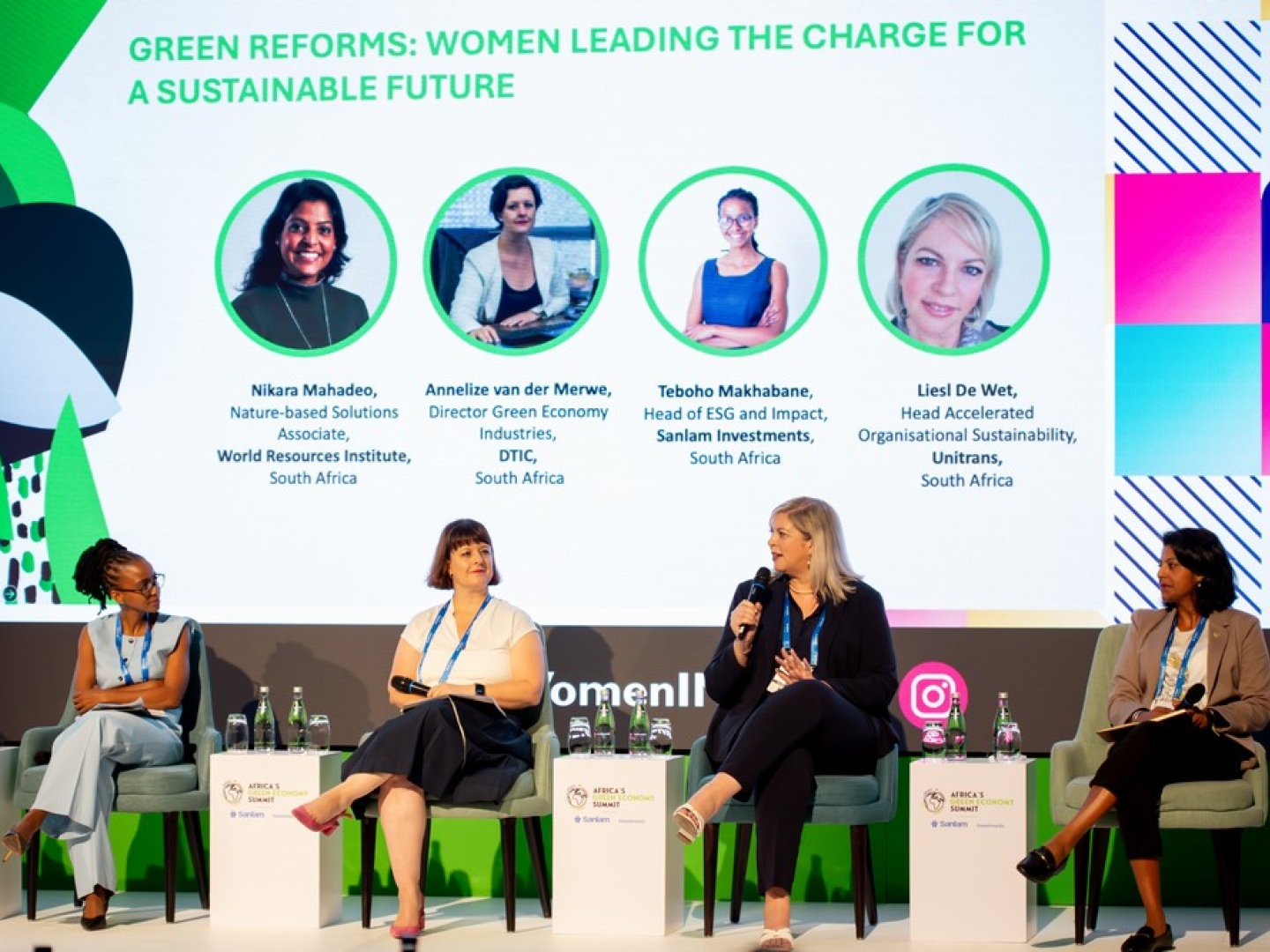
Across Africa, women are at the forefront of building climate-resilient businesses—yet they receive less than 5% of available climate finance.
In Kigali, the African Women in Climate Leadership Forum showcased dozens of enterprises tackling agriculture, clean cooking, waste recycling, and renewable energy. From Nigeria’s “Solar Sisters” cooperative distributing off-grid solar kits, to Kenya’s “Miti Ventures” reforesting degraded land through blockchain-based carbon credits, women entrepreneurs are reshaping Africa’s green economy.
“Women-led businesses are not just businesses—they are impact multipliers,” said Dr. Agnes Kalibata, former Rwandan Minister of Agriculture. “They create jobs, empower households, and deliver climate resilience where it matters most.”
Investment is beginning to shift. The African Development Bank announced a $300 million Gender & Climate Finance Facility, while Mastercard Foundation pledged $100 million toward women-led green ventures in East Africa.
Still, systemic barriers persist: limited collateral for loans, gender bias in VC networks, and fragmented pipelines for scaling. “We keep hearing ‘high risk, low return’—but the data doesn’t back that up,” argued Kenyan investor Viola Llewellyn. “Women-led climate enterprises are outperforming peers in repayment rates and community impact.”
The forum closed with a call to action for global investors: reframe gender not as charity, but as an alpha strategy.
For Africa’s green economy to thrive, women must move from the sidelines to the center of investment flows.