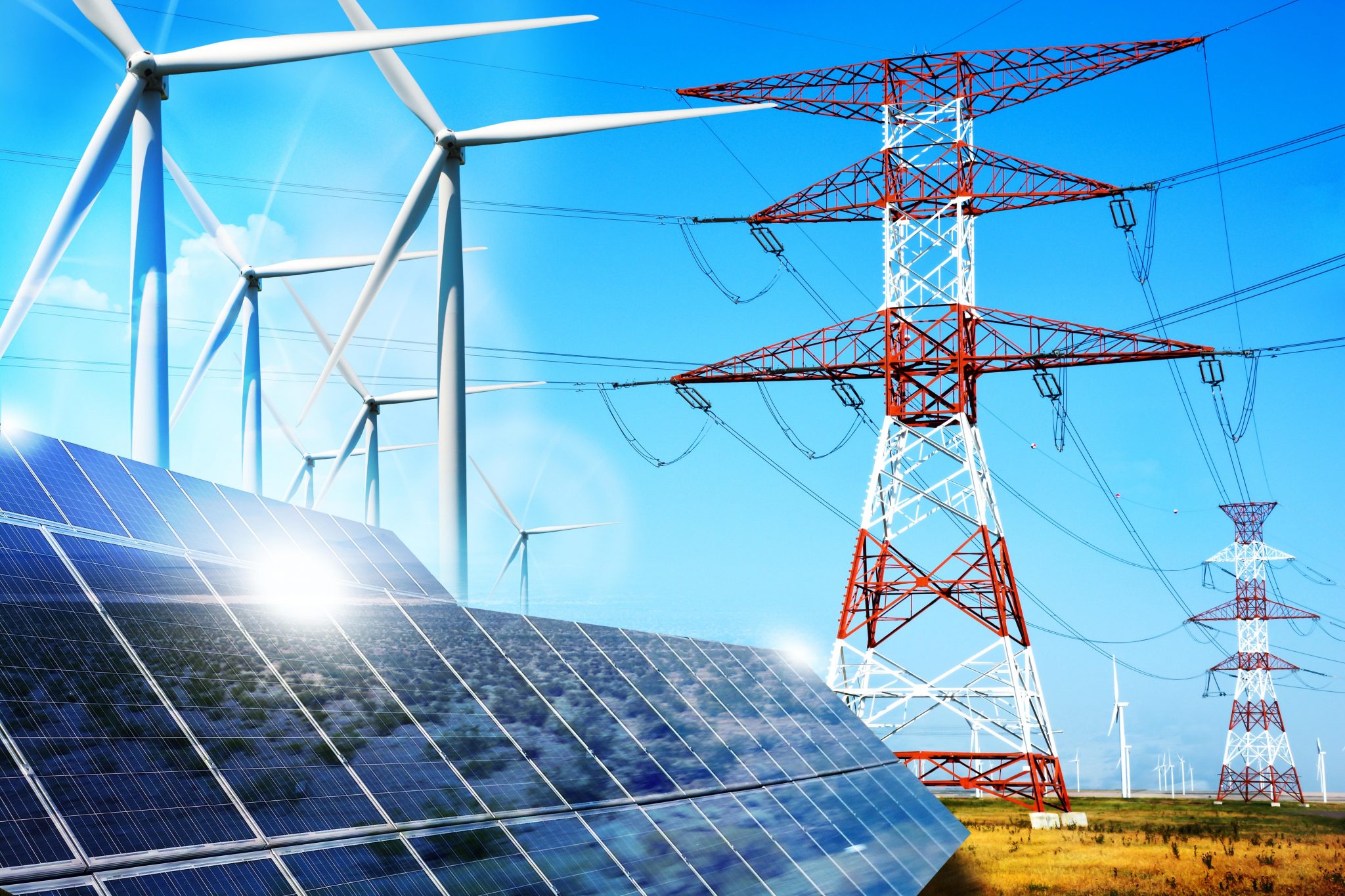
The global debate over decarbonization is getting louder — but Africa is reframing the terms. For many African countries, the challenge is not only to decarbonize but to do so while ensuring energy access, industrialization, and economic sovereignty. That nuance — “energy justice” — is increasingly central to African policy and investor discussions. Recent policy dialogues at global fora and private investor forums have emphasized an African approach that combines gas as a pragmatic bridge with aggressive scaling of renewables. Reuters+1
Why gas and renewables are both on the table. Countries with gas reserves argue that responsibly managed gas exploitation provides revenues and baseload power needed to finance and enable renewable roll-outs. Meanwhile, nations such as Morocco and Egypt are scaling green hydrogen and solar at commercial scale, demonstrating export and industrial use cases that attract global capital. From the investor perspective, this creates a bifurcated opportunity set: LNG and gas infrastructure on the one hand, and high-growth renewables, mini-grids, and green hydrogen projects on the other.
Financing models are shifting. Institutional investors demand clearer risk mitigation: long-term offtake agreements, political risk insurance, and blended finance structures that pair concessional capital with private equity. Multilateral initiatives and sovereign wealth participation are starting to surface as mechanisms to reduce perceived risk and attract scale capital into energy projects across Africa. African Development Bank+1
What investors should watch. Project pipeline quality will decide whether capital flows at scale. Well-structured green hydrogen projects, utility-scale renewables with credible grid integration plans, and gas projects with robust environmental and social safeguards will attract the most serious capital. Regulatory clarity and credible implementation capacity — not slogans — will be the main differentiators for investor decisions.
Bottom line: Africa’s path to energy transition is pragmatic and multi-track. Investors who accept both the need for rapid renewables deployment and the transitional role of gas — while demanding strong governance and climate safeguards — will find the most attractive and durable opportunities. Reuters+1